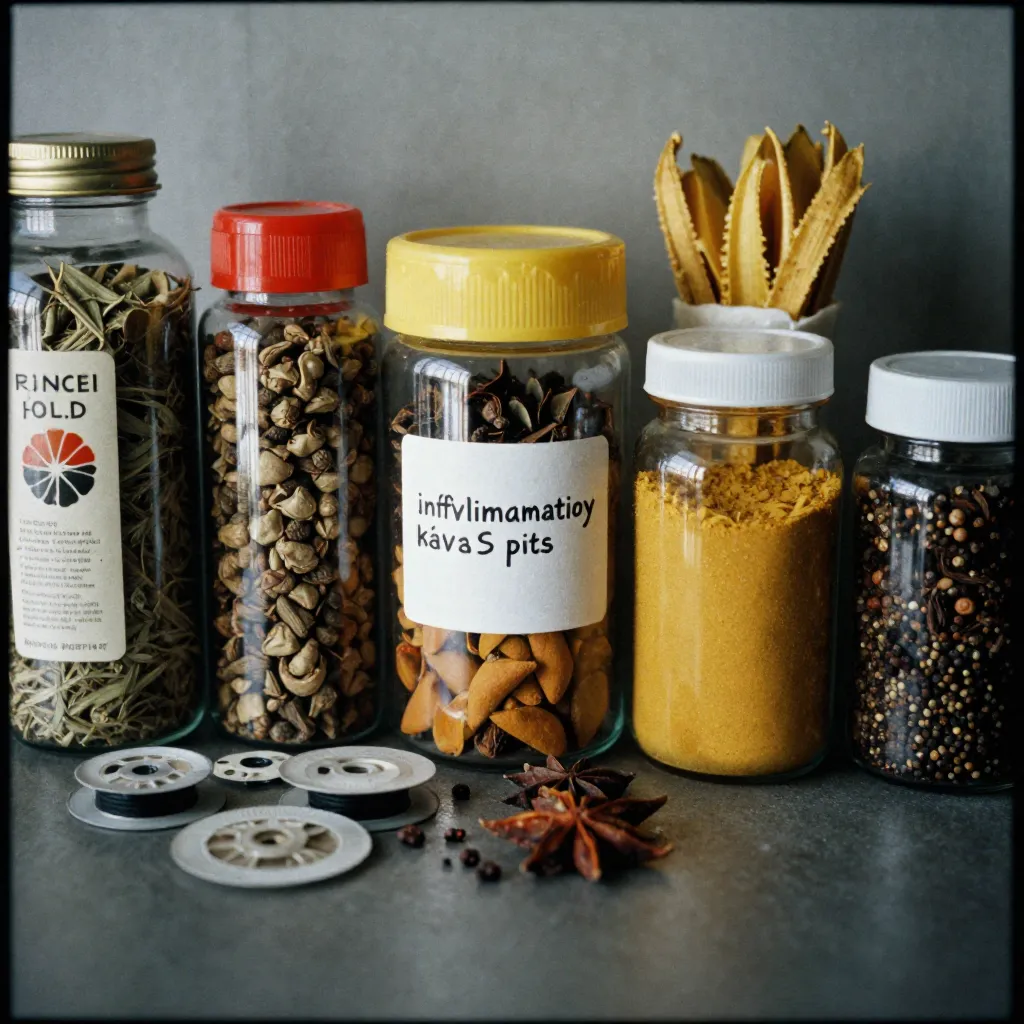
Natural Ingredients in Your Pantry
Many common kitchen spices have been valued across cultures for their culinary and traditional uses. These ingredients, found in spice cabinets worldwide, offer diverse flavors and have been part of human cuisine for generations.
Understanding how to incorporate these natural ingredients into daily cooking can enhance both flavor profiles and meal variety. Each spice brings its own unique characteristics to dishes.
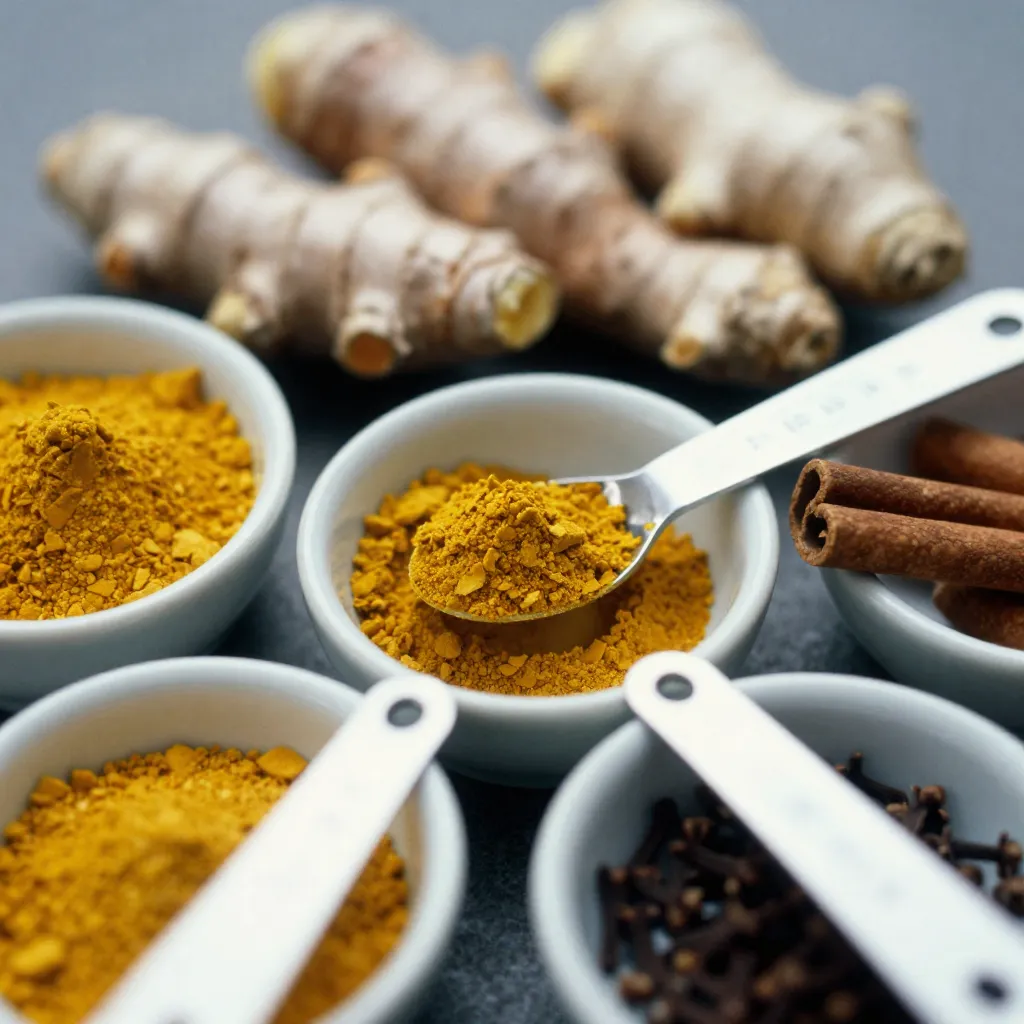
Kitchen Essentials
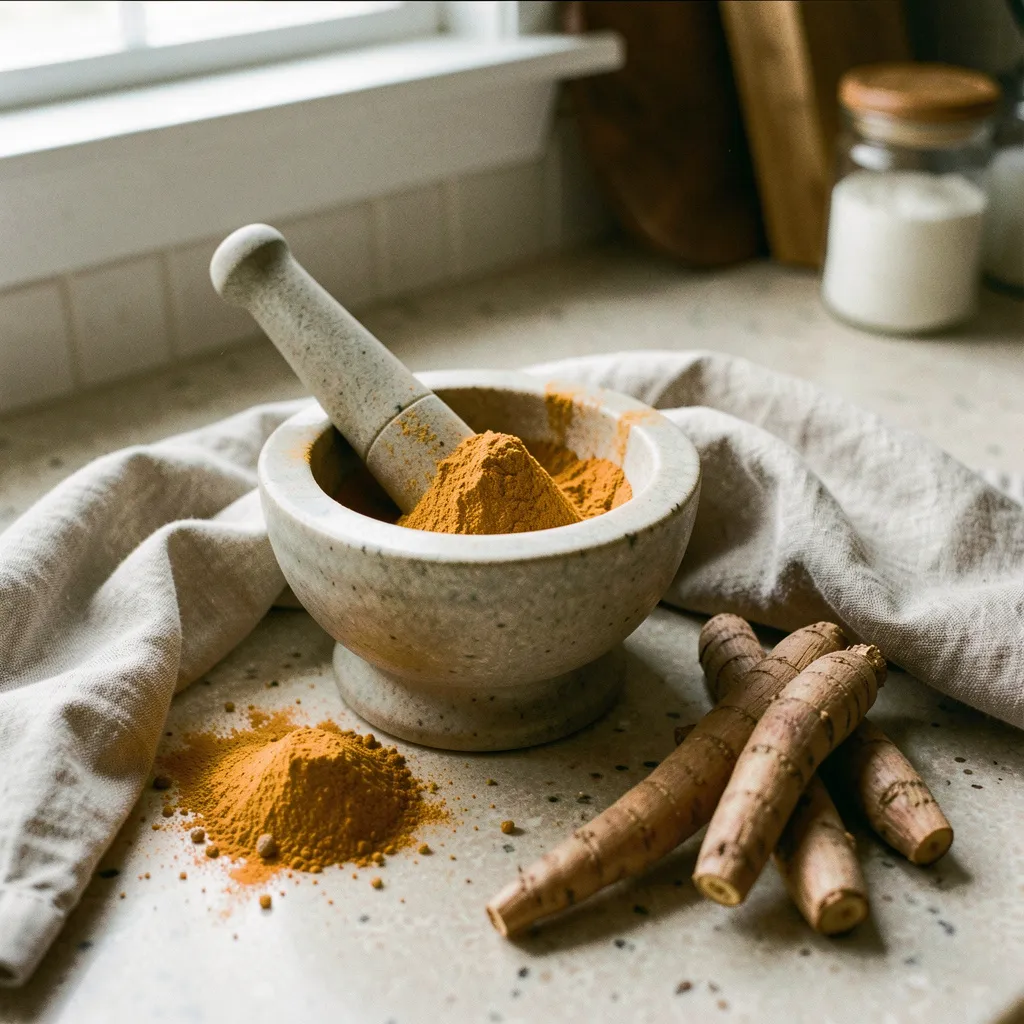
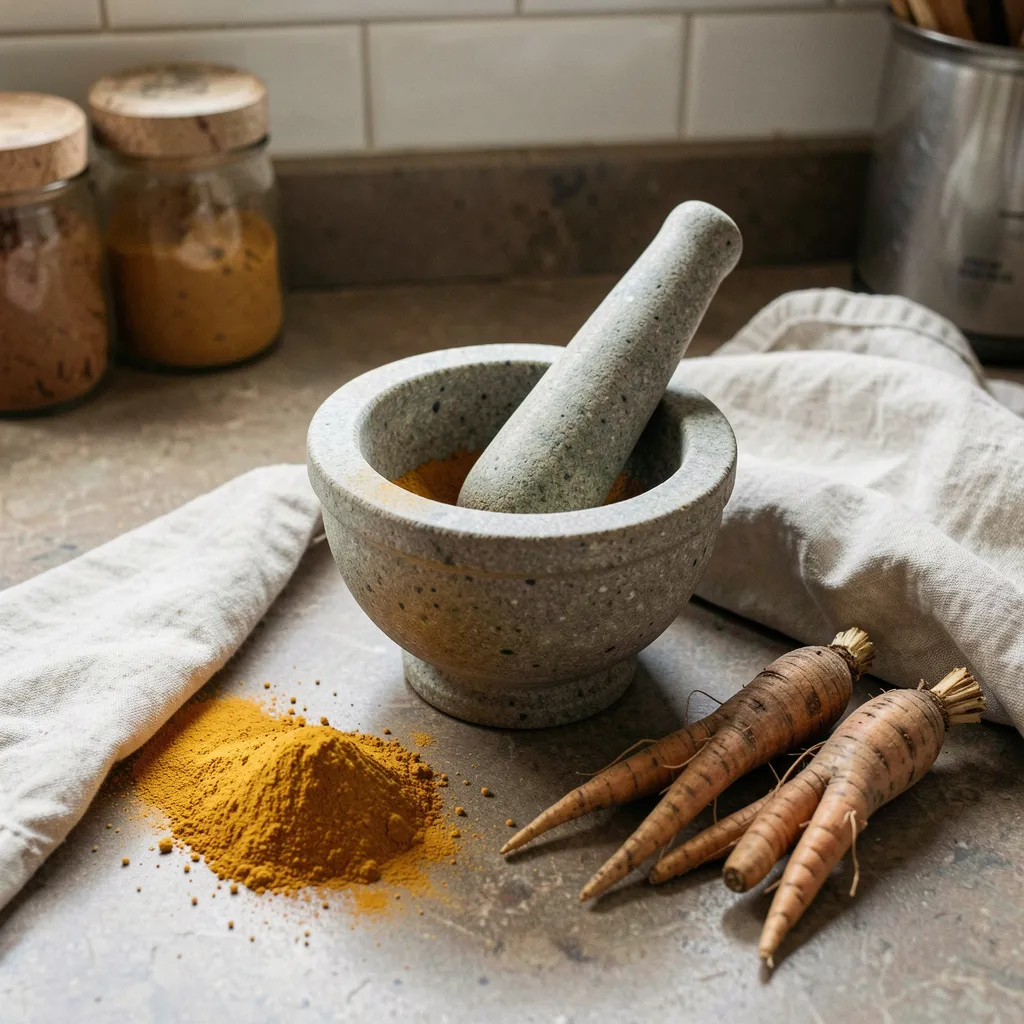
Turmeric
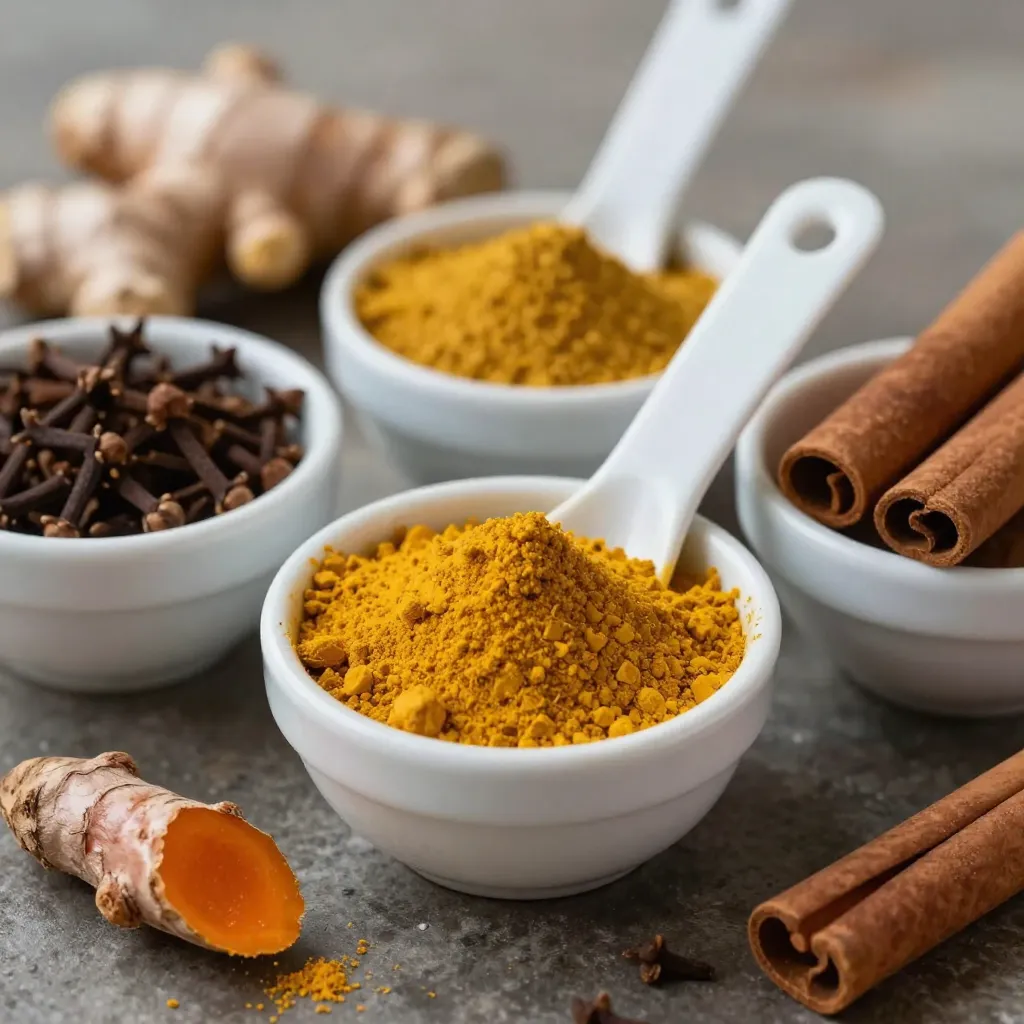
A vibrant golden spice commonly used in South Asian and Middle Eastern cuisines. Known for its warm, earthy flavor profile.
Ginger
A versatile root with a distinctive spicy and slightly sweet taste. Frequently used in both savory and sweet preparations.
Cinnamon
A fragrant bark spice that adds warmth to dishes. Popular in both sweet desserts and savory spice blends.
Culinary Versatility
These spices can be incorporated into various cooking methods. They work well in marinades, spice rubs, soups, stews, and beverage preparations.
Experimenting with different combinations allows for creative culinary exploration. Many recipes benefit from the depth of flavor these ingredients provide.
Quality and Storage
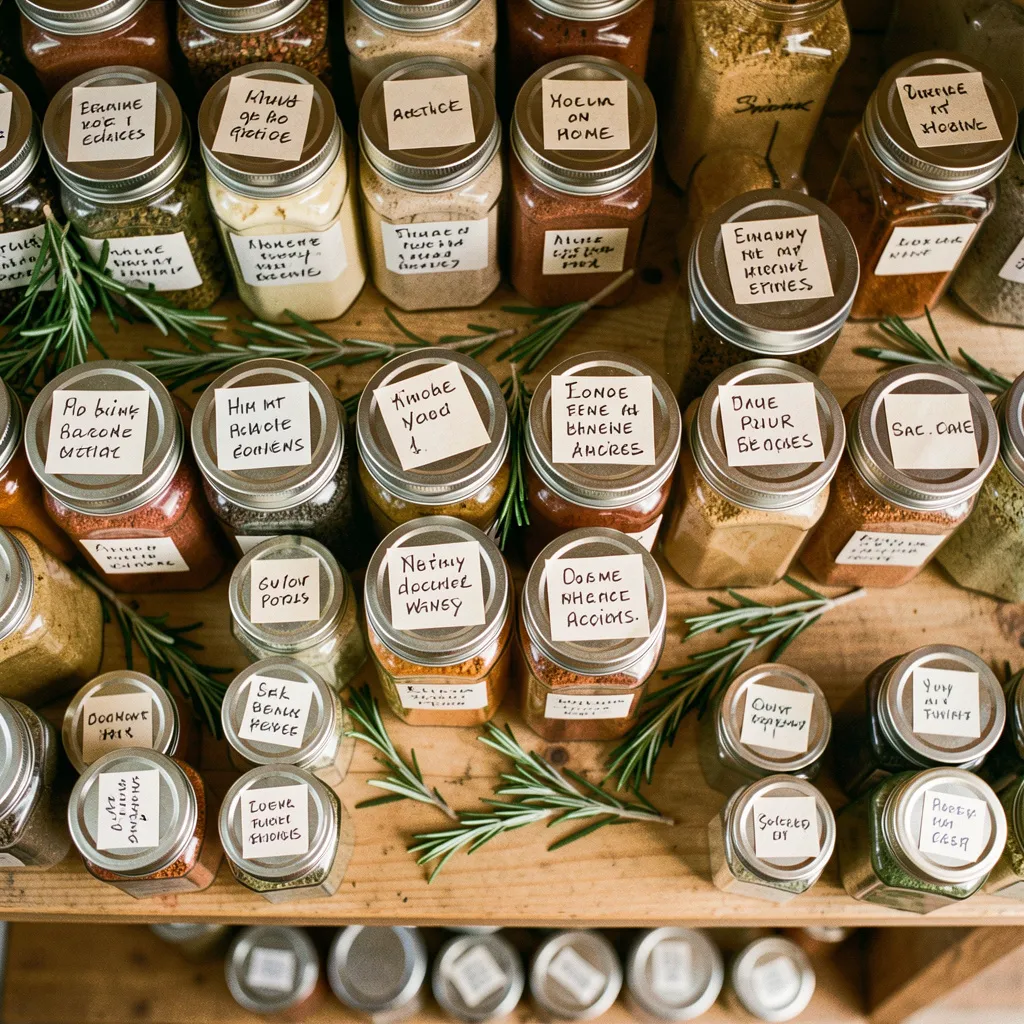
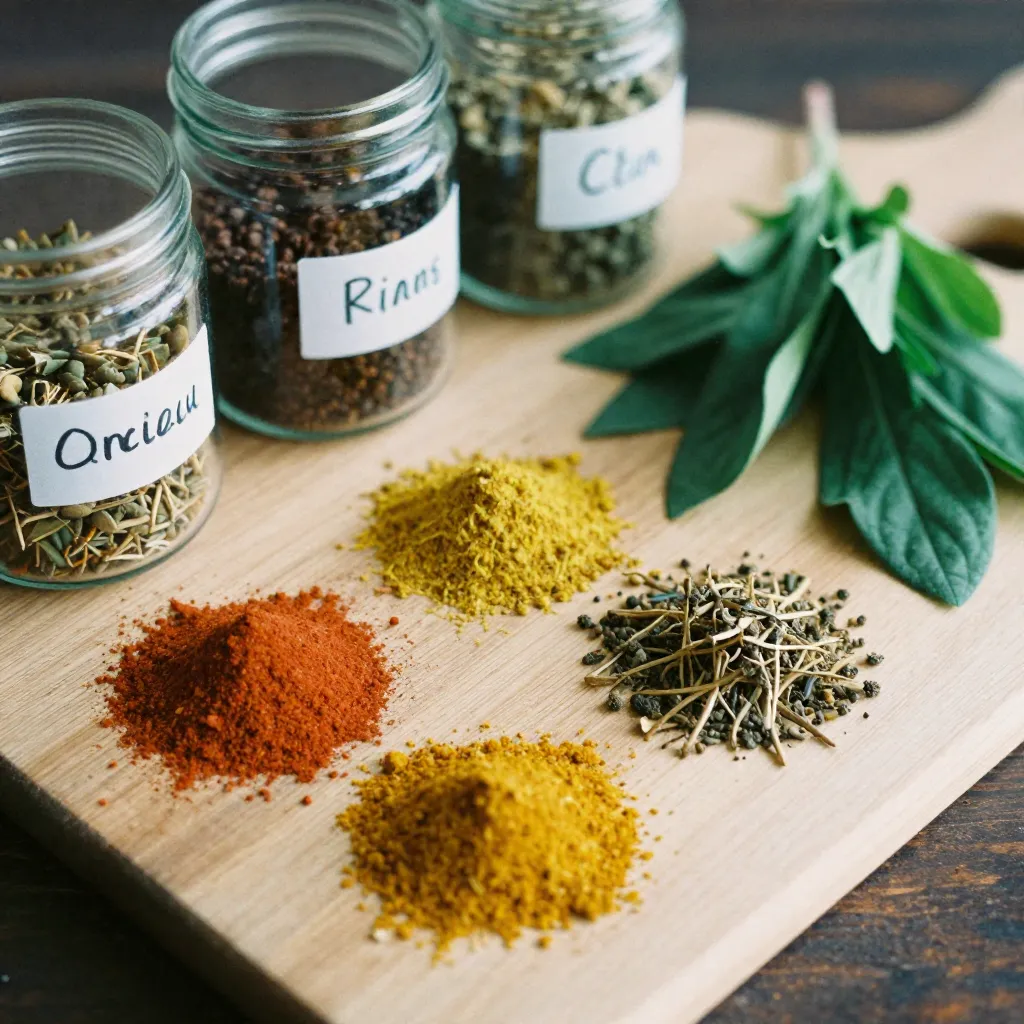
Selecting high-quality spices and storing them properly helps maintain their flavor characteristics. Keep spices in airtight containers away from direct light and heat sources.
Freshness Matters
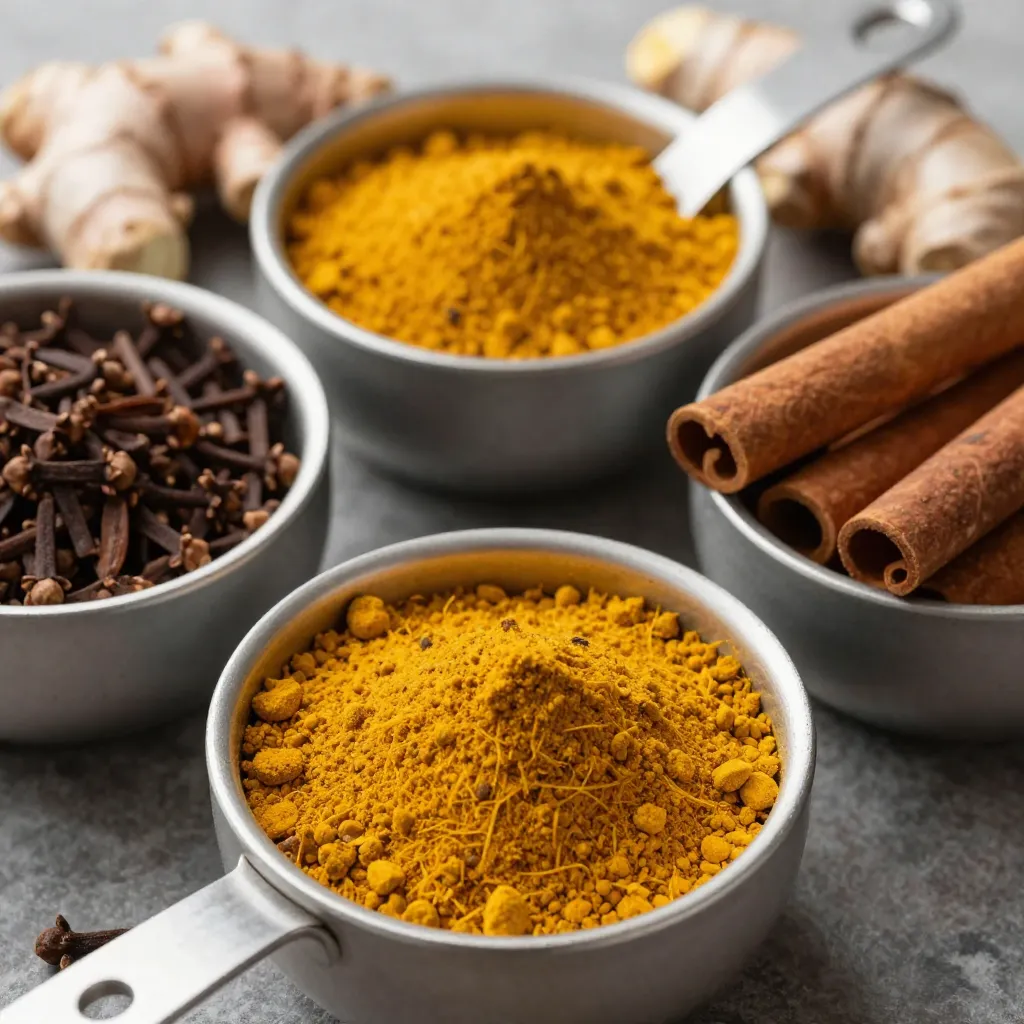
Whole spices generally retain their flavor longer than ground versions. Consider purchasing whole spices and grinding as needed.
Proper Containers
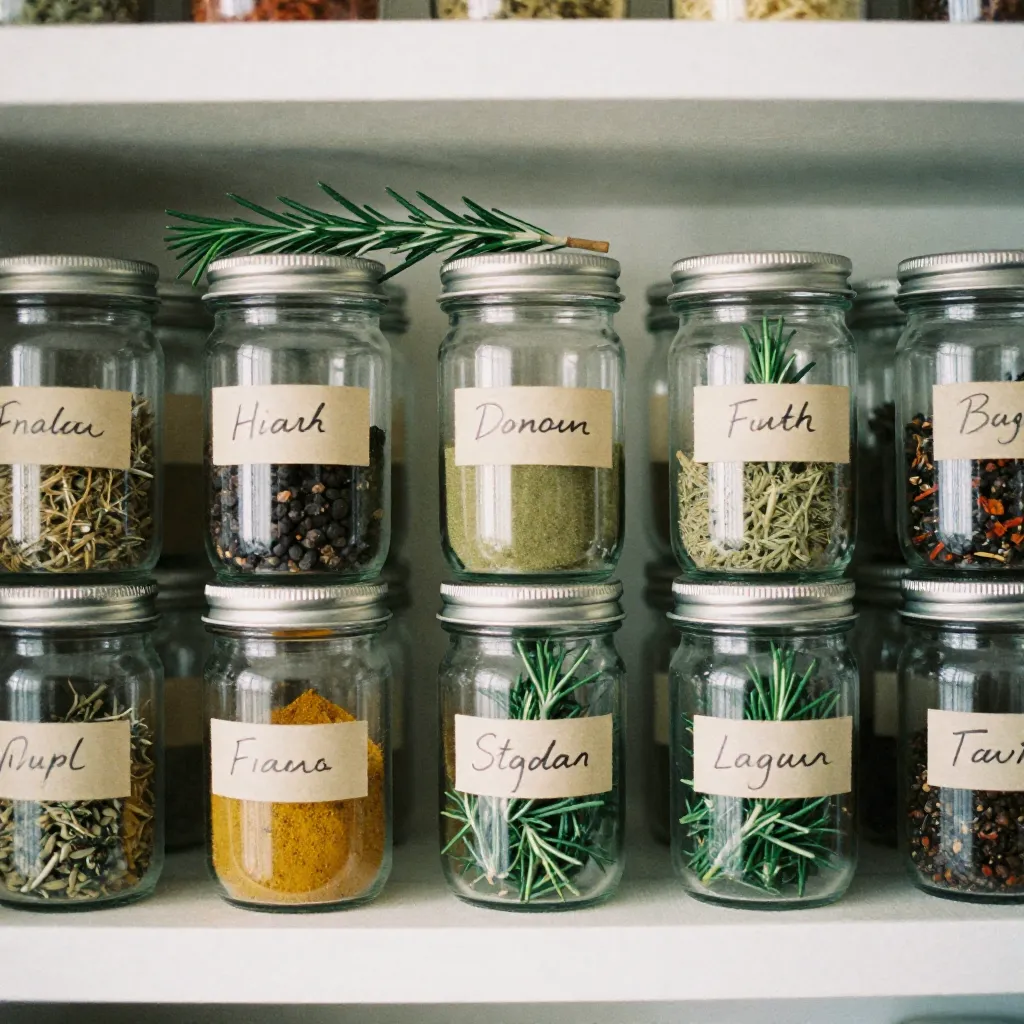
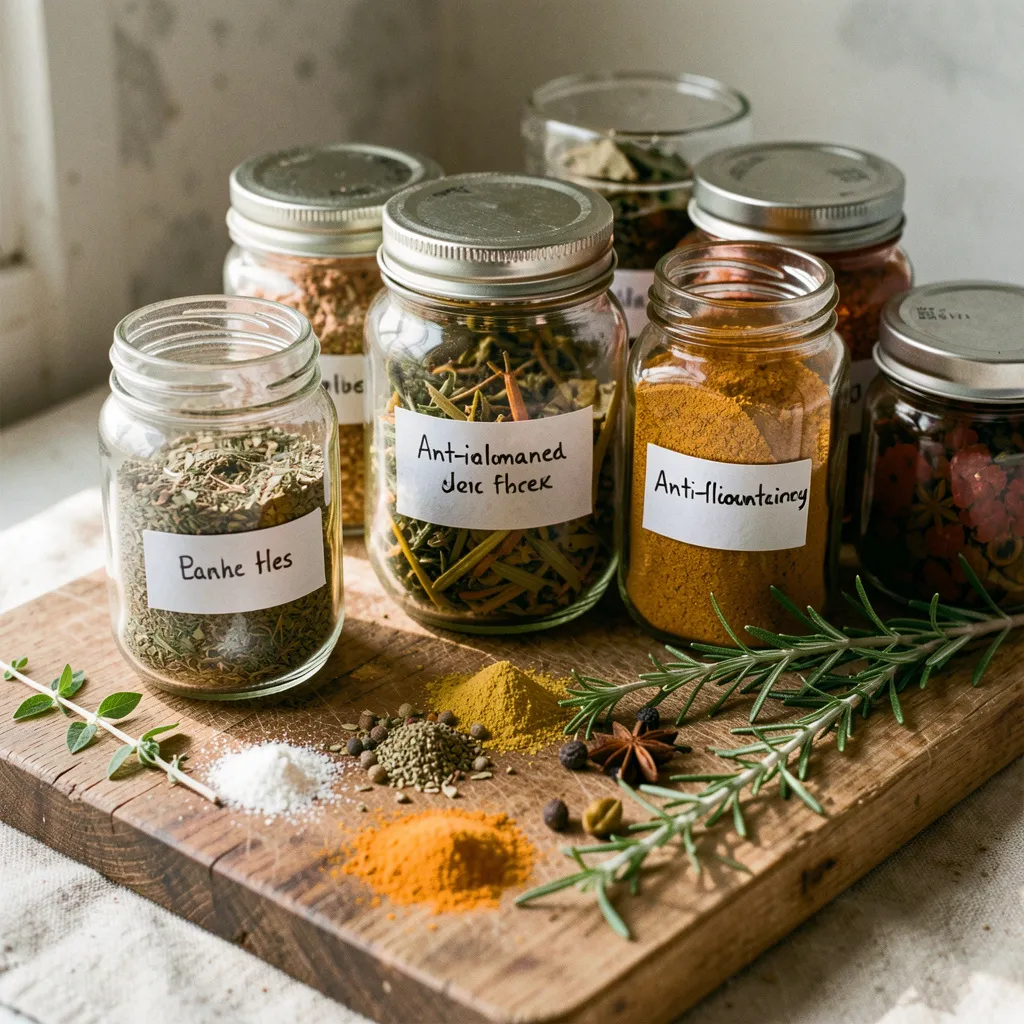
Glass or metal containers with tight-fitting lids help preserve spice quality. Label containers with purchase dates for reference.
Cultural Heritage
These spices have been integral to various culinary traditions around the world. Different cultures have developed unique ways of using these ingredients in their traditional cuisines.
Understanding the cultural context of these spices can enhance appreciation for global cuisine. Many traditional recipes have been passed down through generations.
Exploring recipes from different regions offers opportunities to learn about diverse cooking techniques and flavor combinations.
Practical Tips
Start Small
When trying new spice combinations, begin with smaller amounts and adjust to taste. This approach helps you find your preferred flavor balance.
Pairing Ideas
Many spices complement each other well. Experiment with different pairings to discover combinations that work for your palate.
Cooking Methods
Some spices benefit from gentle heating to release their aromatic compounds. Others work well when added at different stages of cooking.
Exploring Natural Ingredients
Natural spices offer a wide range of flavors and aromas that can transform ordinary meals into memorable culinary experiences. Each ingredient brings its own unique profile to dishes.
Learning about these natural products helps expand your cooking repertoire and discover new ways to enhance your meals with authentic flavors from around the world.